Work
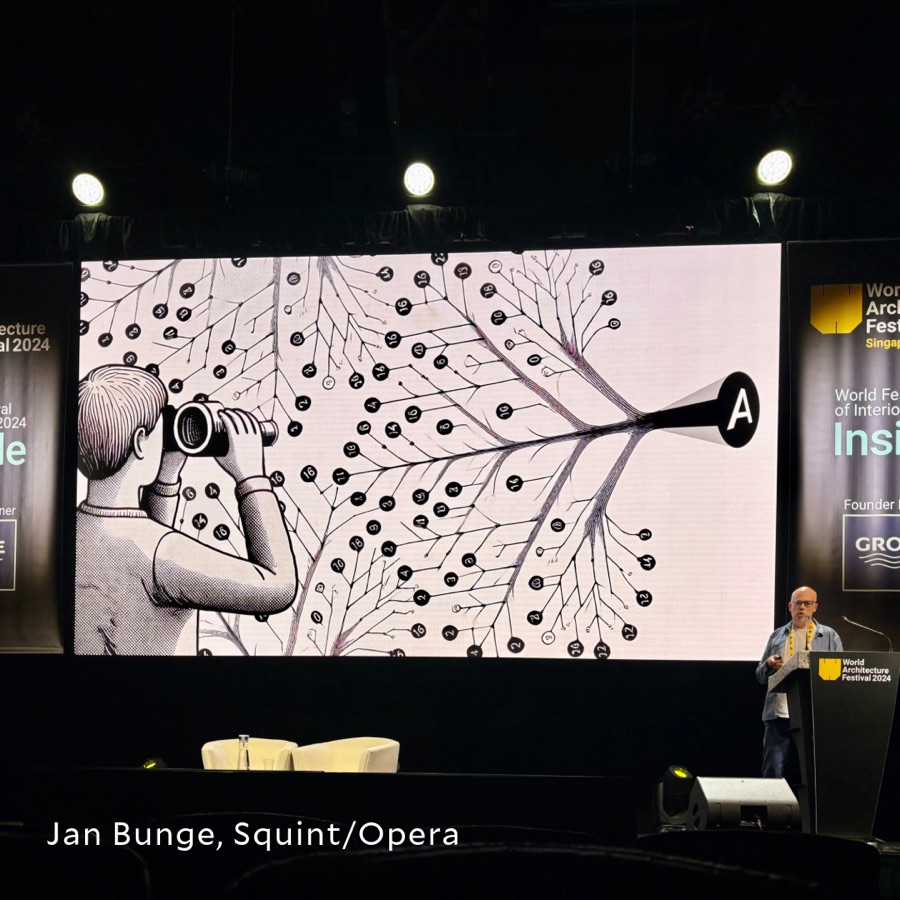
A solution can only respond to what we choose to see.
Origin
Design starts with a defined challenge.
Architecture gives that challenge a physical context. A need, a place, a function and a set of constraints form the brief. From there, specialist knowledge can go deep, translating requirements into space, material and experience.
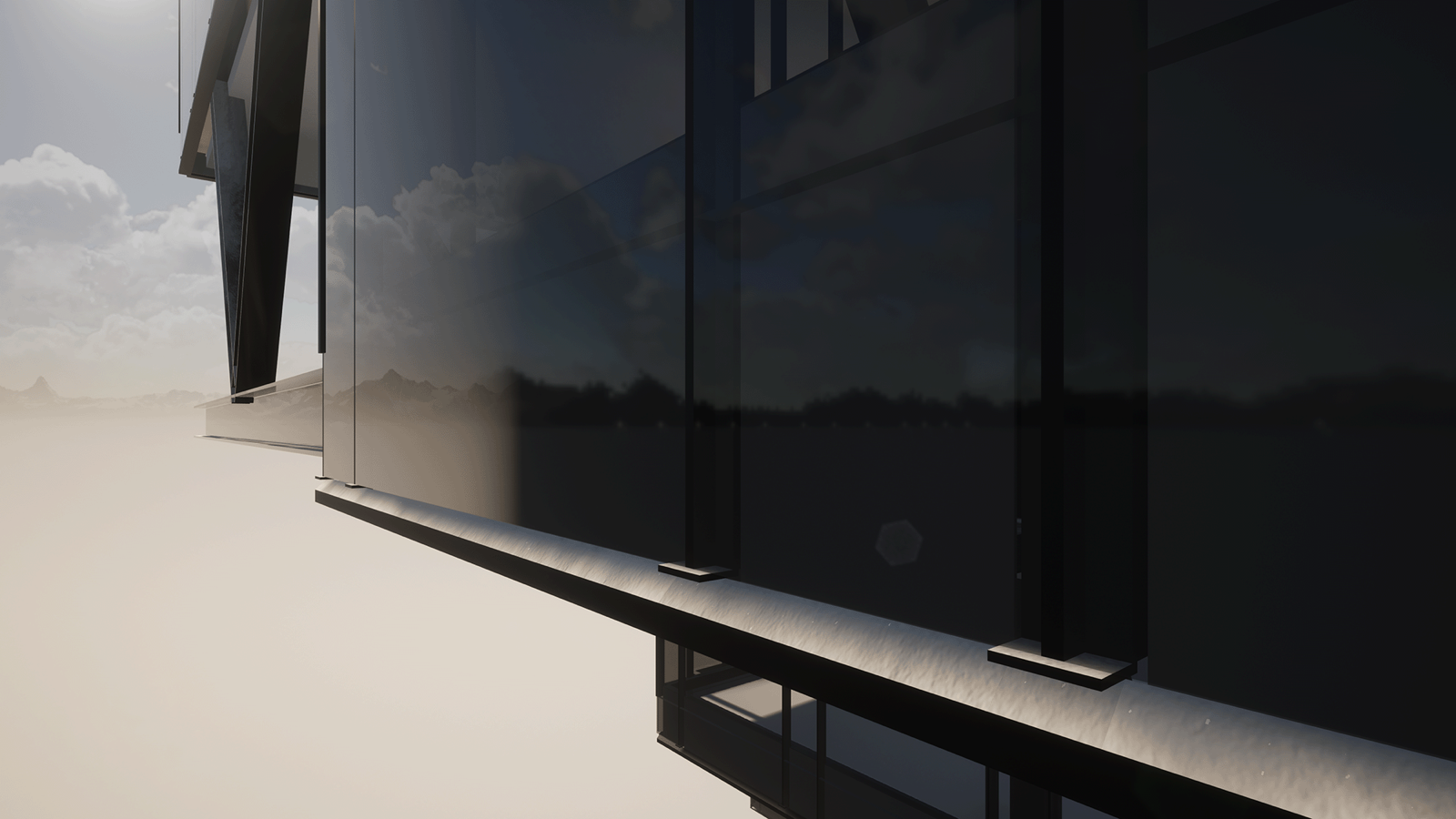
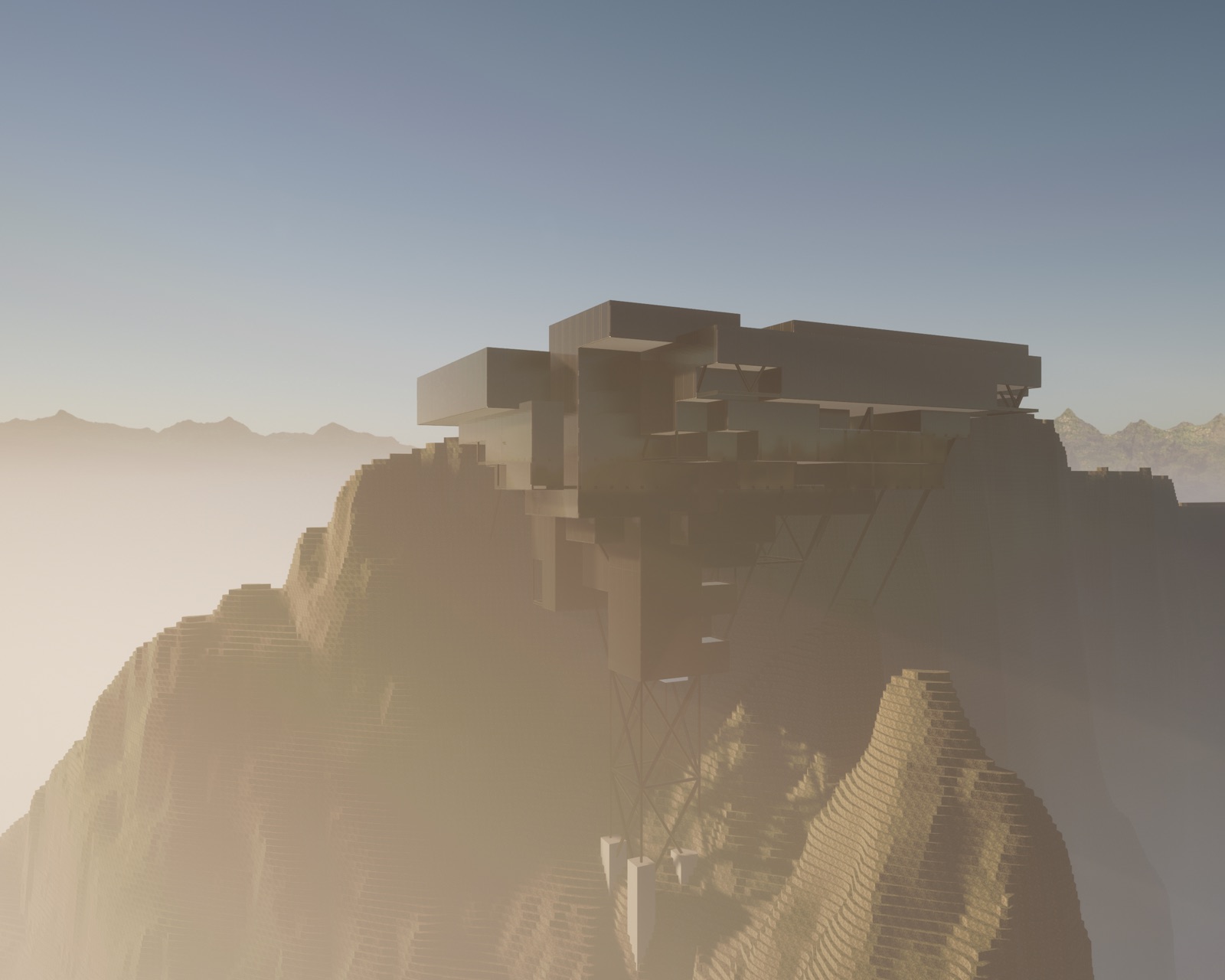
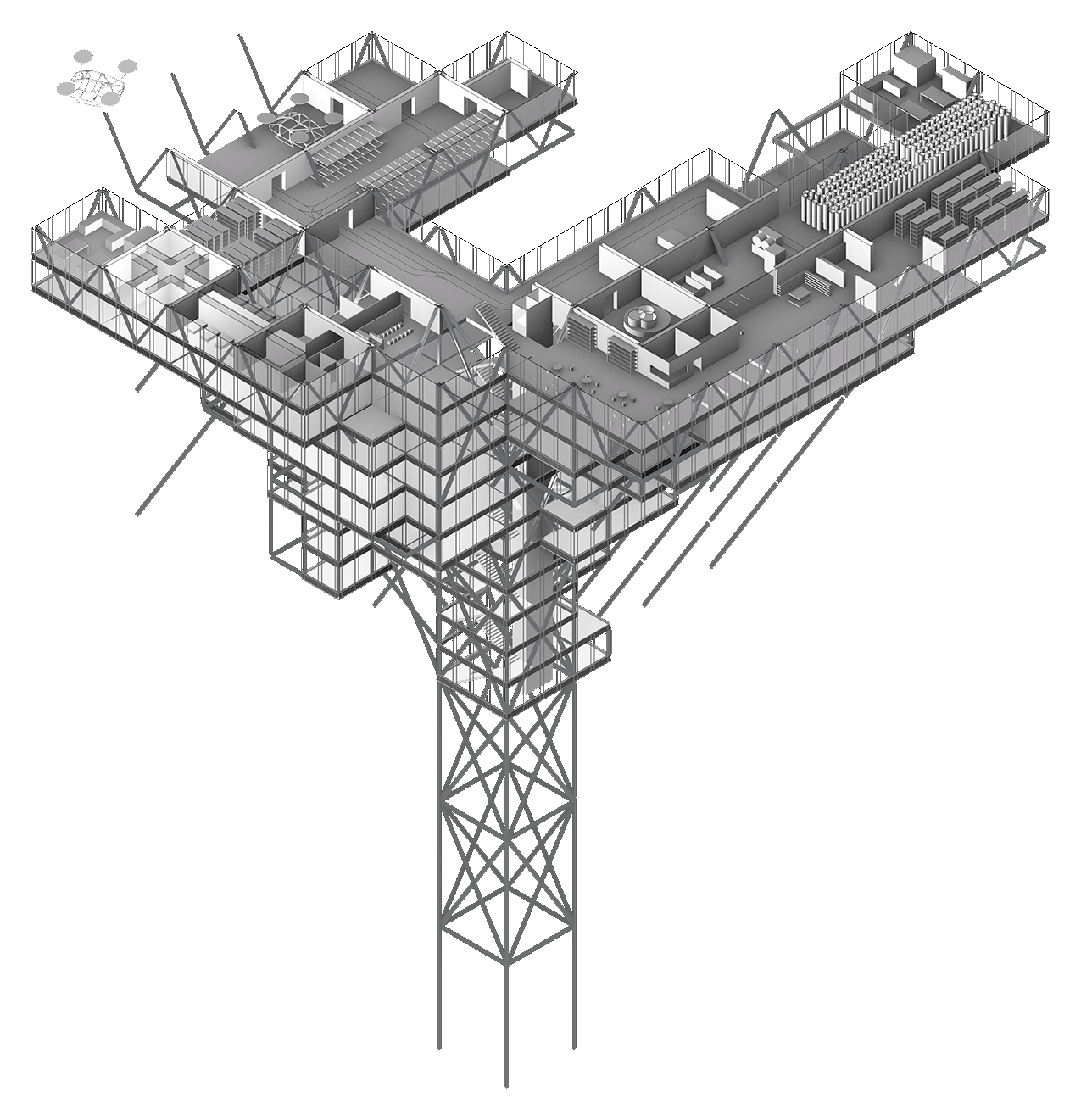
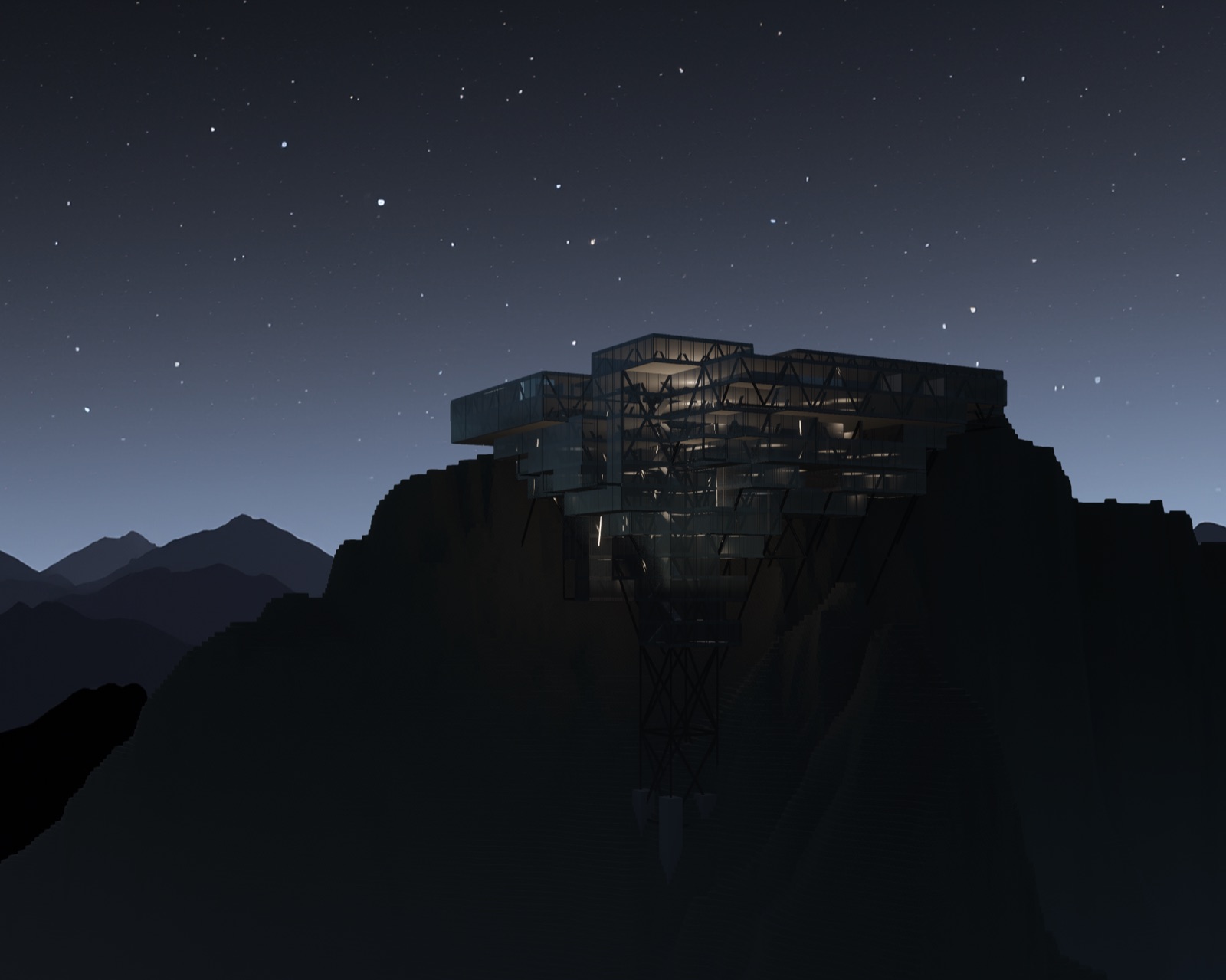
Alpine Edge
A future scenario for vertical villages in the year 2200.
In a world marked by climate change and social unrest, human groups have retreated to alpine regions, where they have built vertical villages on cliff faces. Alpine Edge presents a glimpse of this fascinating network of autonomous settlements, distinguished by radical adaptation and self-sufficiency.
The project illuminates a central hub, serving as a nexus and fulfilling a multitude of functions to ensure survival and harmonious coexistence in this new era.
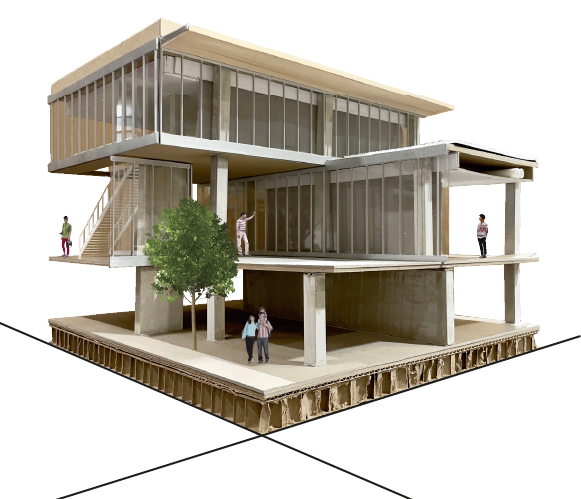
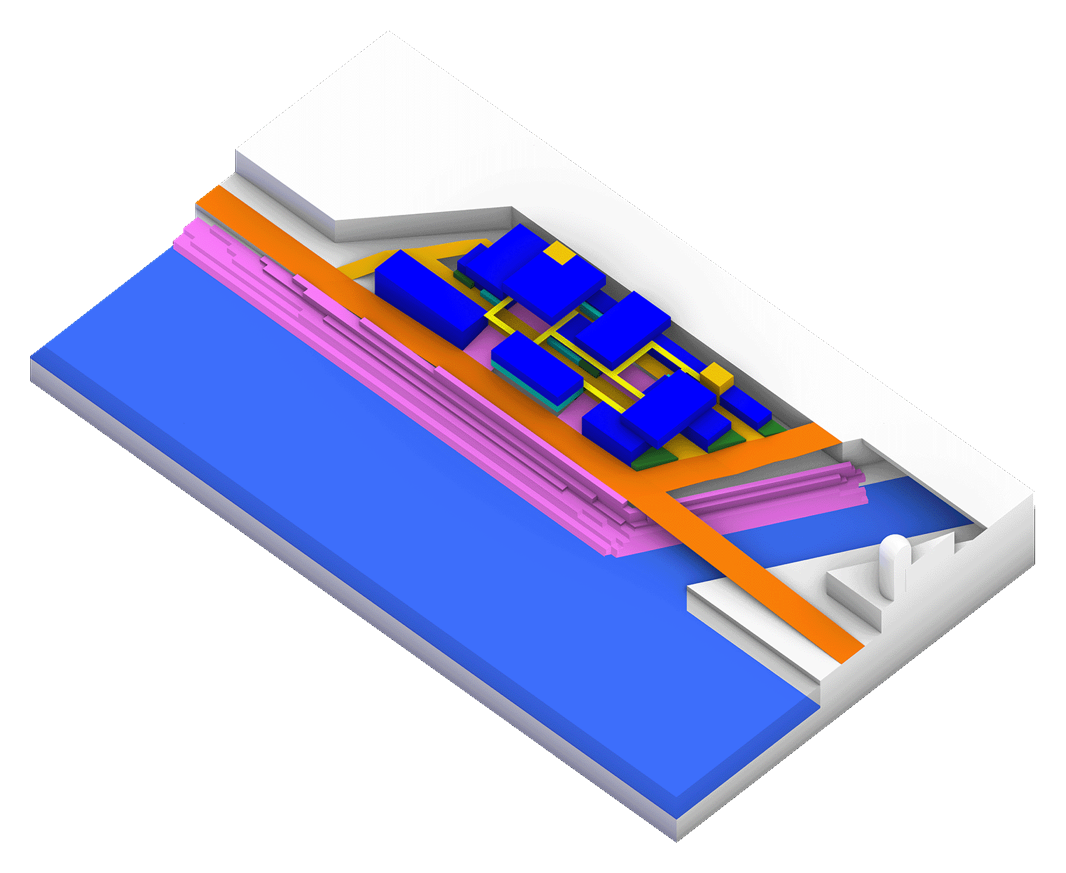
Flow Academy
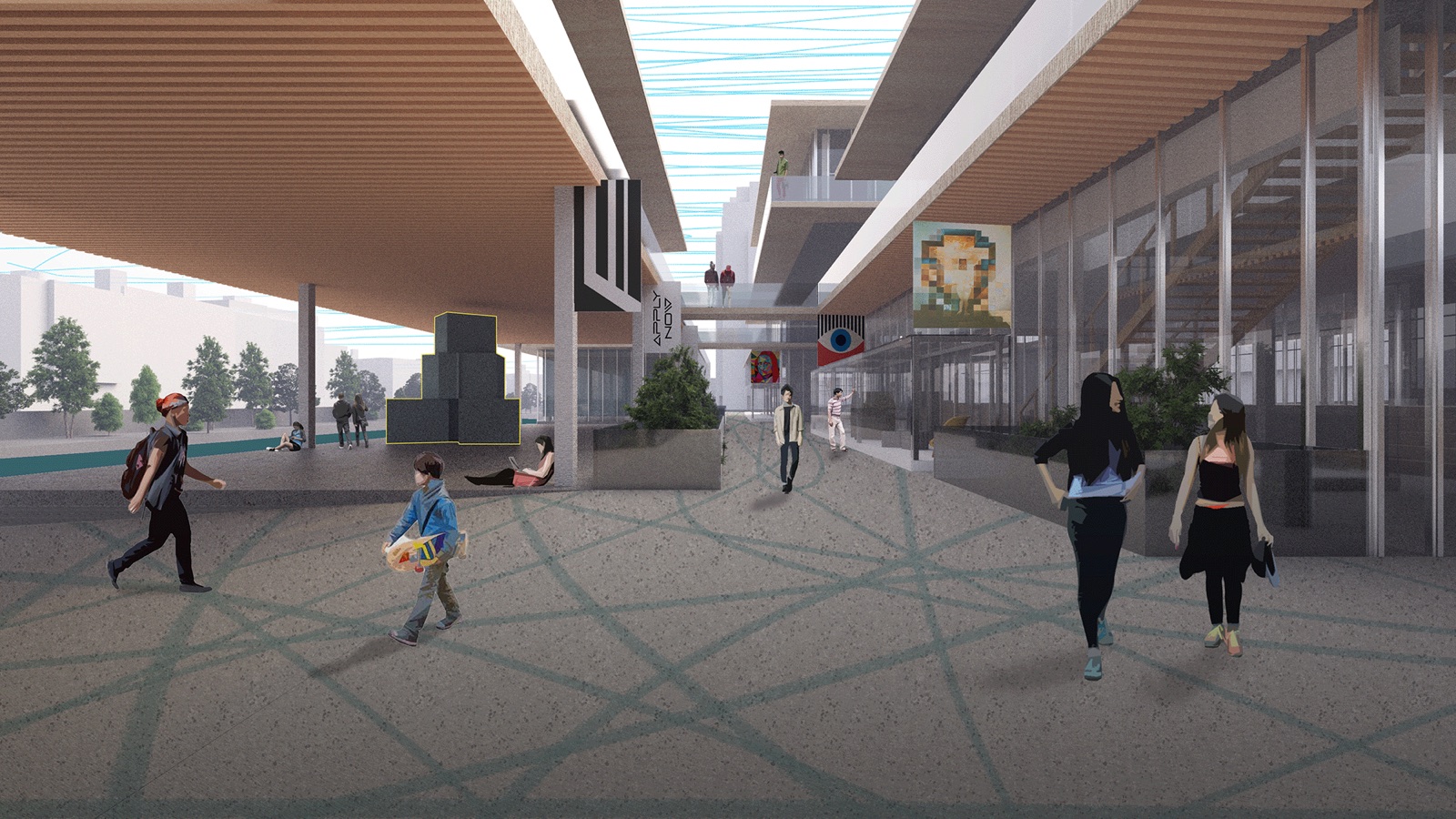
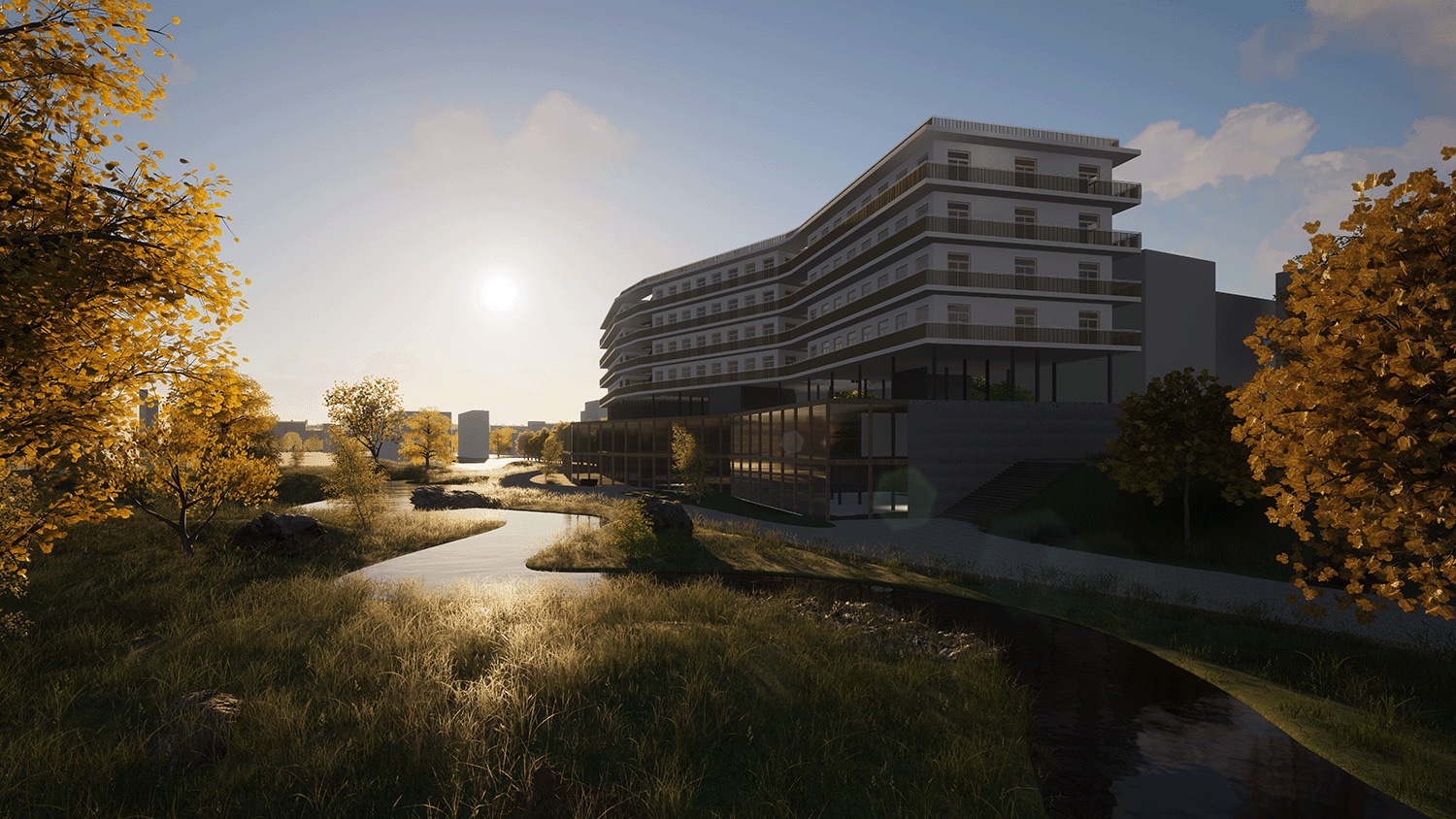
An academy for architecture, design and art on the banks of the Danube Canal in Vienna, built as a centre for creative exchange.
It blends the dynamics of academic life with the everyday life of the city. The architecture integrates into its surroundings and offers a welcoming space for interaction, inspiration and relaxation.
The proximity to the water creates an atmosphere of calm and focus, drawing in the local community and visitors from around the world. The Flow Academy stands for openness, creativity and lifelong learning: a place where the flow of ideas never ceases and the boundaries between art, education and daily life blur.
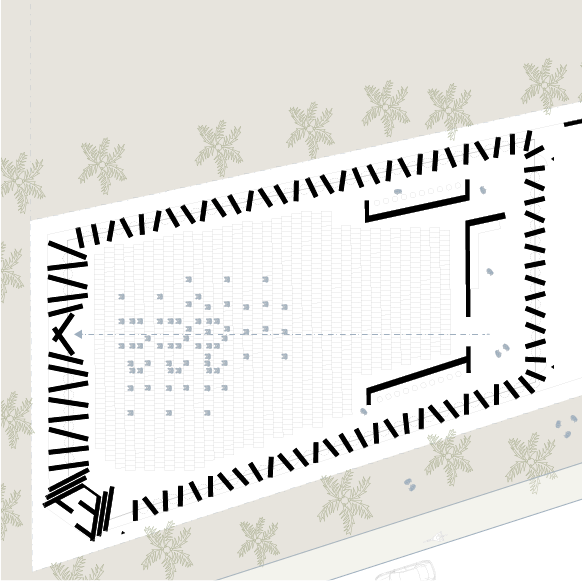
Al Omairi Mosque
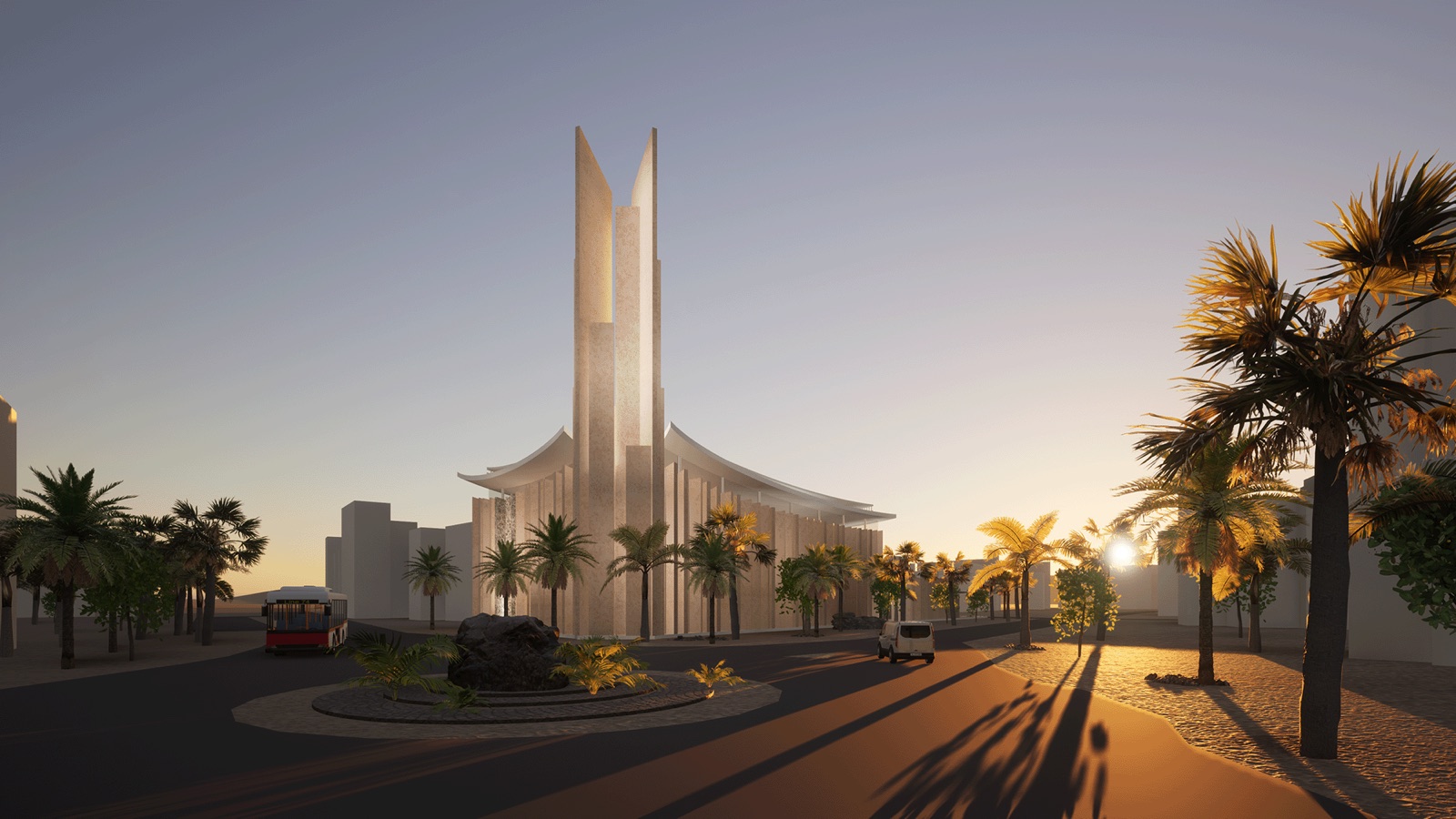
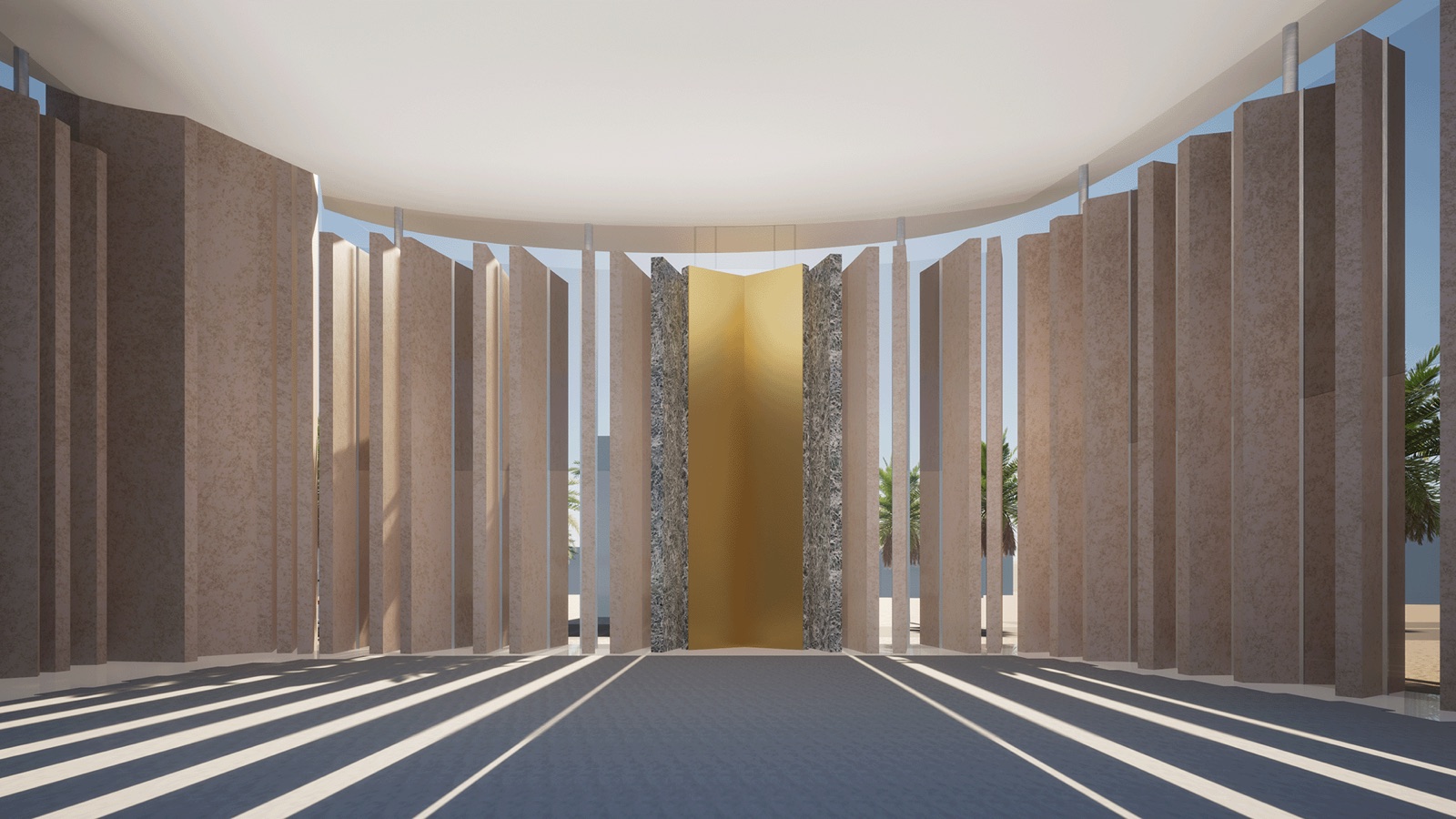
A mosque in Oman that blends traditional culture with modern innovation, as both a place of worship and a community hub.
It reflects Omani hospitality and openness through its inviting architecture and spaces. By integrating traditional Islamic art with contemporary design, the mosque symbolises Oman’s respect for its heritage while embracing progress.
It promotes dialogue and unity, exemplifying the country’s commitment to cultural preservation and modernisation. The Al Omairi Mosque stands as a testament to the harmonious balance between tradition and the future, fostering community and understanding in Omani society.
Cluster Raster
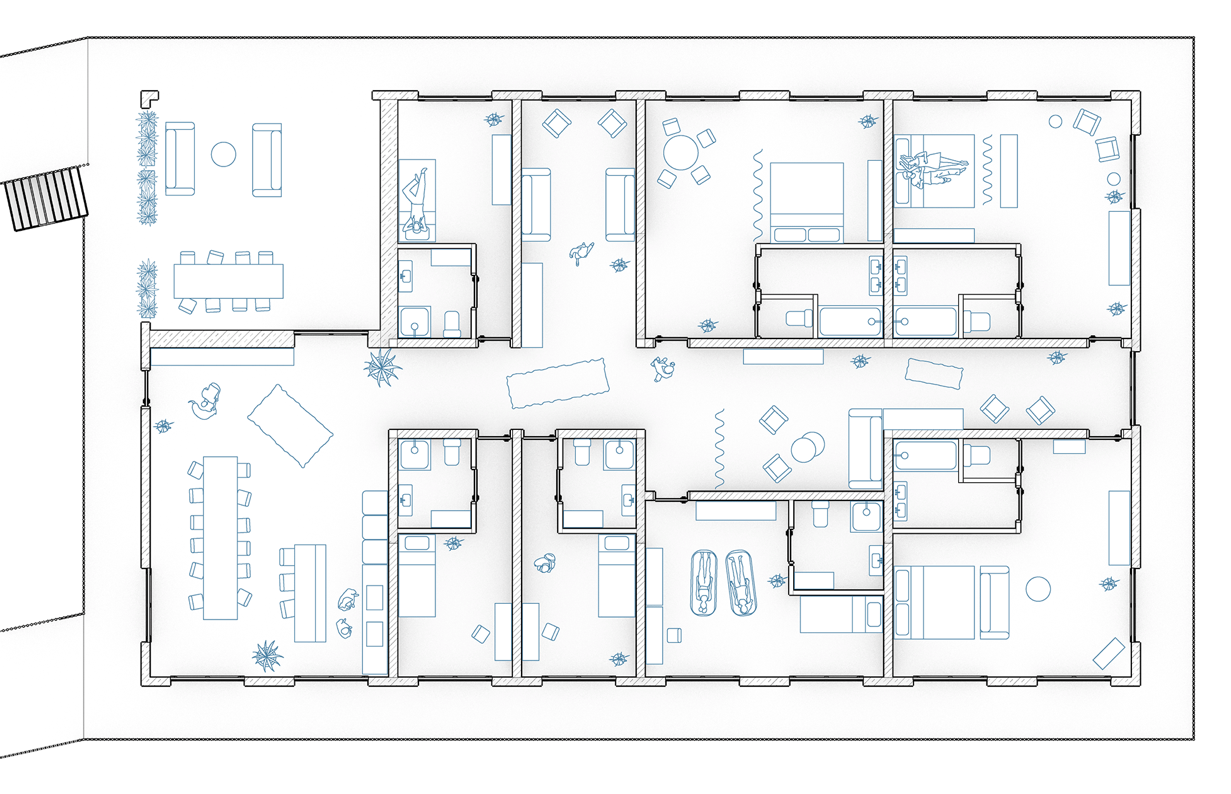
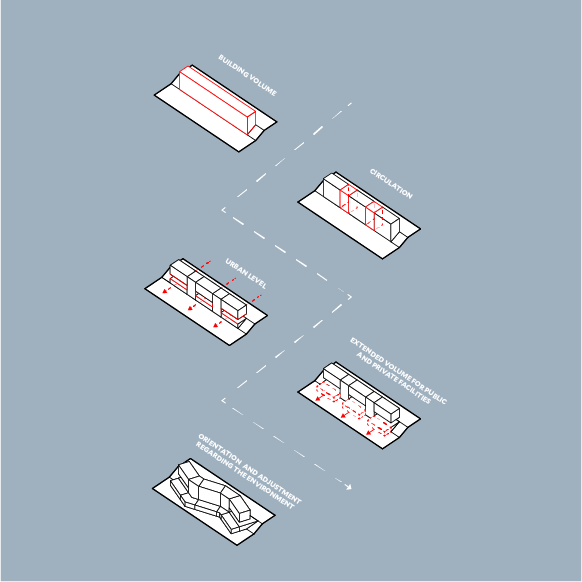
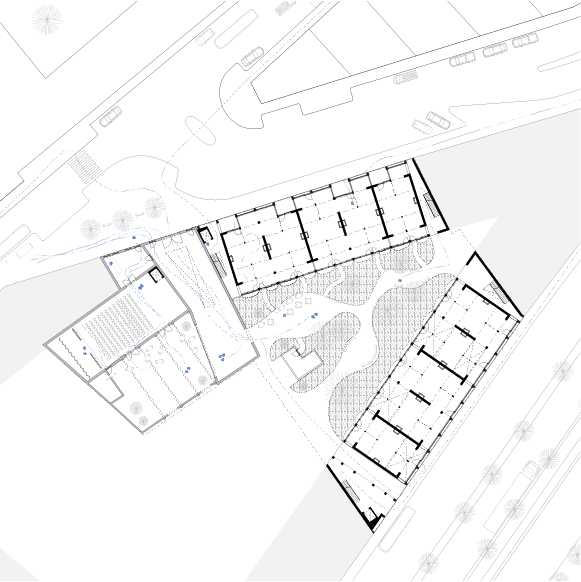
A residential concept in Vienna that reinterprets communal living, organised in clusters that balance privacy and community.
The newly emerging Westbahn Park adds a green lung to the project, creating a space for encounters and relaxation.
Public facilities complete the offer: community rooms that serve as event spaces, and co-working spaces open to both residents and the local community. They promote social exchange and networking, making “Cluster Raster” a vibrant part of urban life.
Relevance
But some challenges reach beyond a single discipline.
The places we design are shaped by more than architecture. Social change influences how people live. Economic conditions determine what can be built. Technology changes behaviour, while environmental and political developments can alter the conditions altogether.
These relationships are becoming increasingly difficult to separate, and they continue to change over time.
The question is not only how well something can be solved, but whether it is the right challenge to solve.
Ecozyme
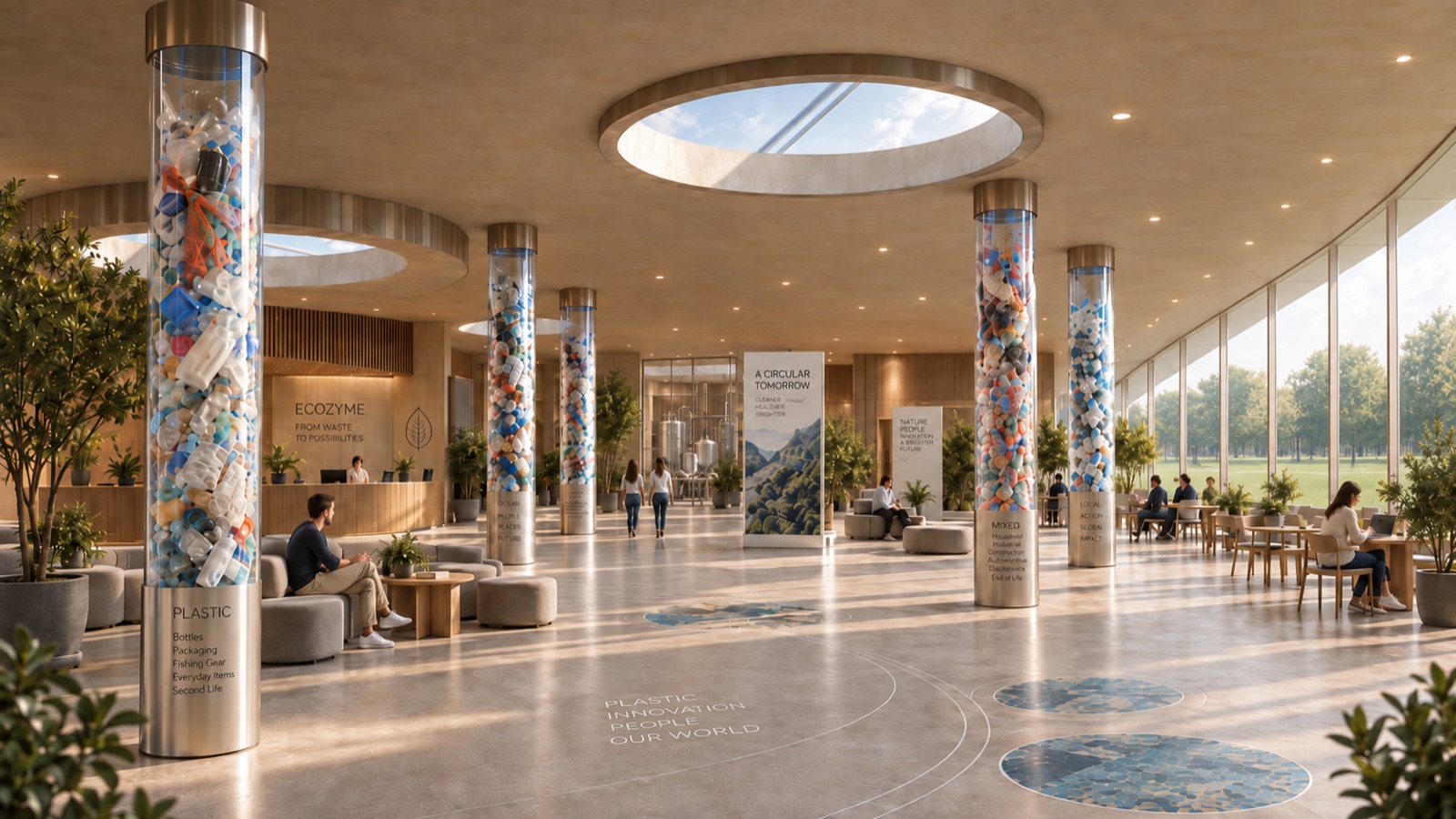
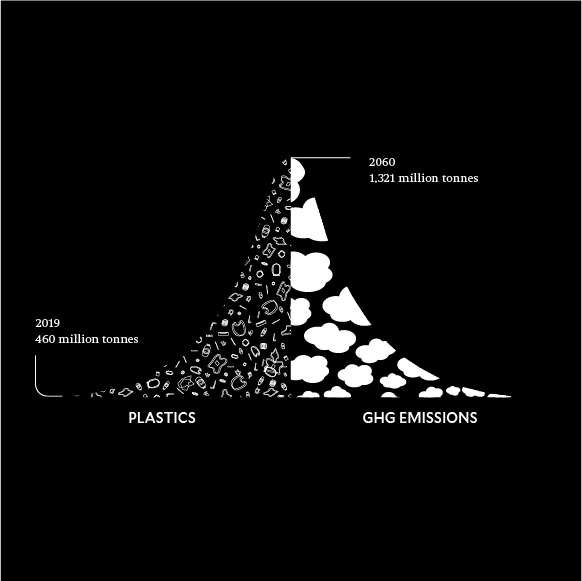
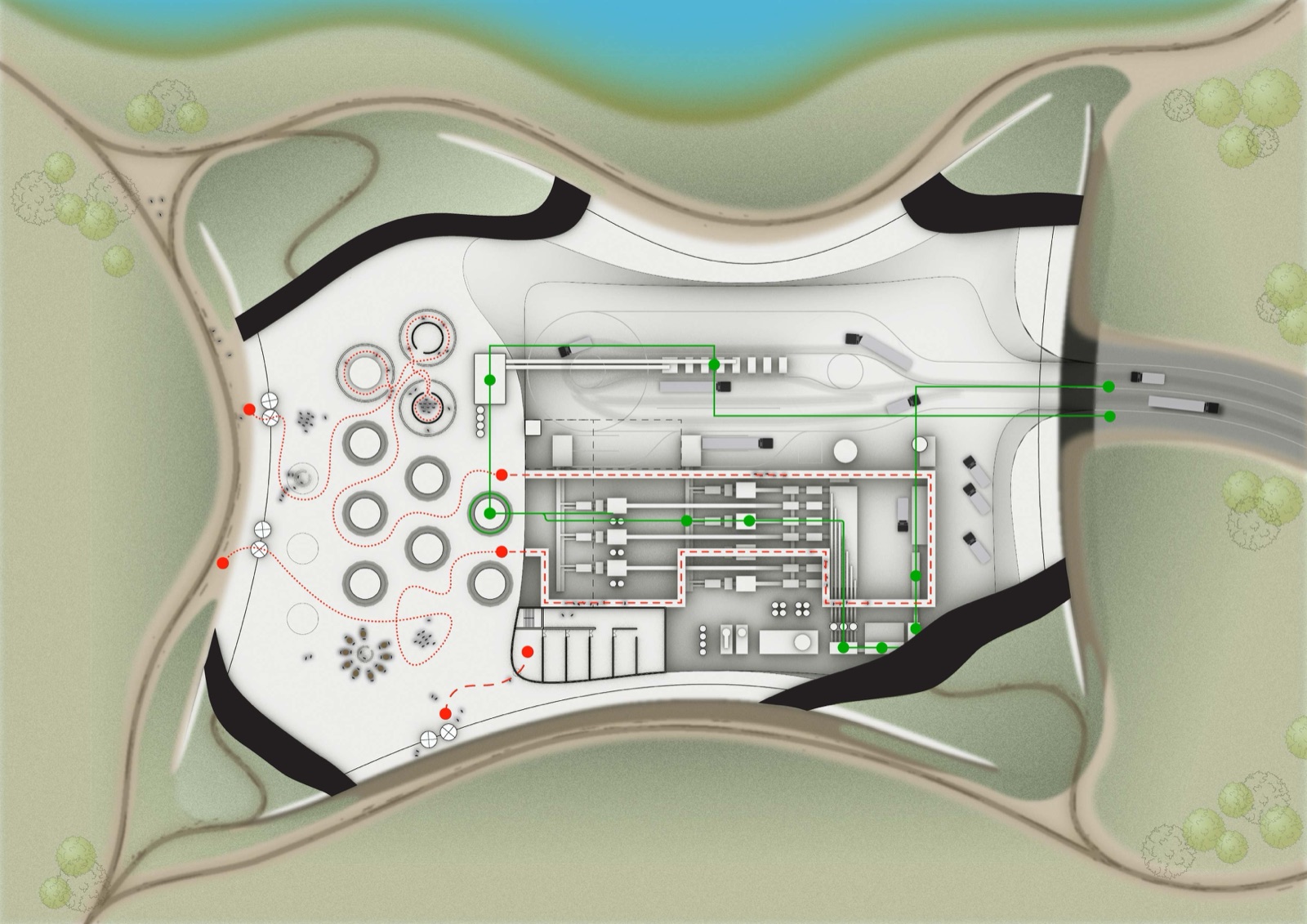
The project explores how waste streams, biological processes, production and architecture can become part of one connected system.
of the solution to
climate change?
Approach
Strategic Design keeps the wider challenge in view.
It connects people, systems, disciplines and time, moving between the bigger picture and the detail, analysis and creativity, present conditions and possible futures.
Different ways of thinking help build that perspective. Systemic, analytical, critical, creative and strategic thinking are combined according to what the challenge requires.
There is no fixed method for every situation. The aim is to understand what matters, how it connects and where action can make a meaningful difference.
Value
A wider perspective is useful when it creates clarity.
In complex projects, knowledge is often distributed across users, specialists, businesses, institutions and other stakeholders.
Connecting these perspectives can reveal dependencies, challenge assumptions, identify risks earlier and uncover opportunities that would remain hidden from one position alone.
The wider picture is then reduced to what is relevant for the next decision.
Clearer priorities. Fewer blind spots. Stronger alignment. Better decisions while there is still room to act.
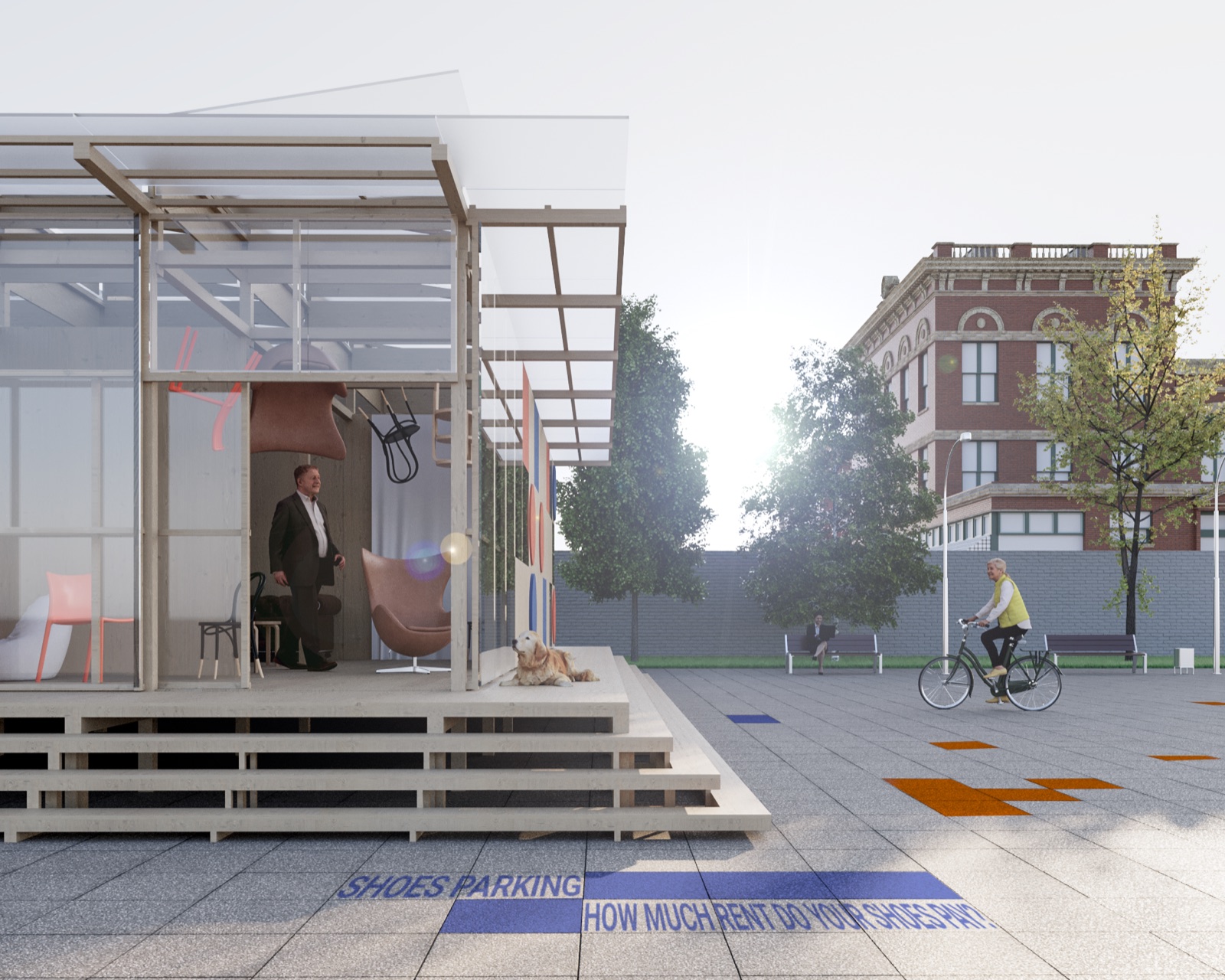
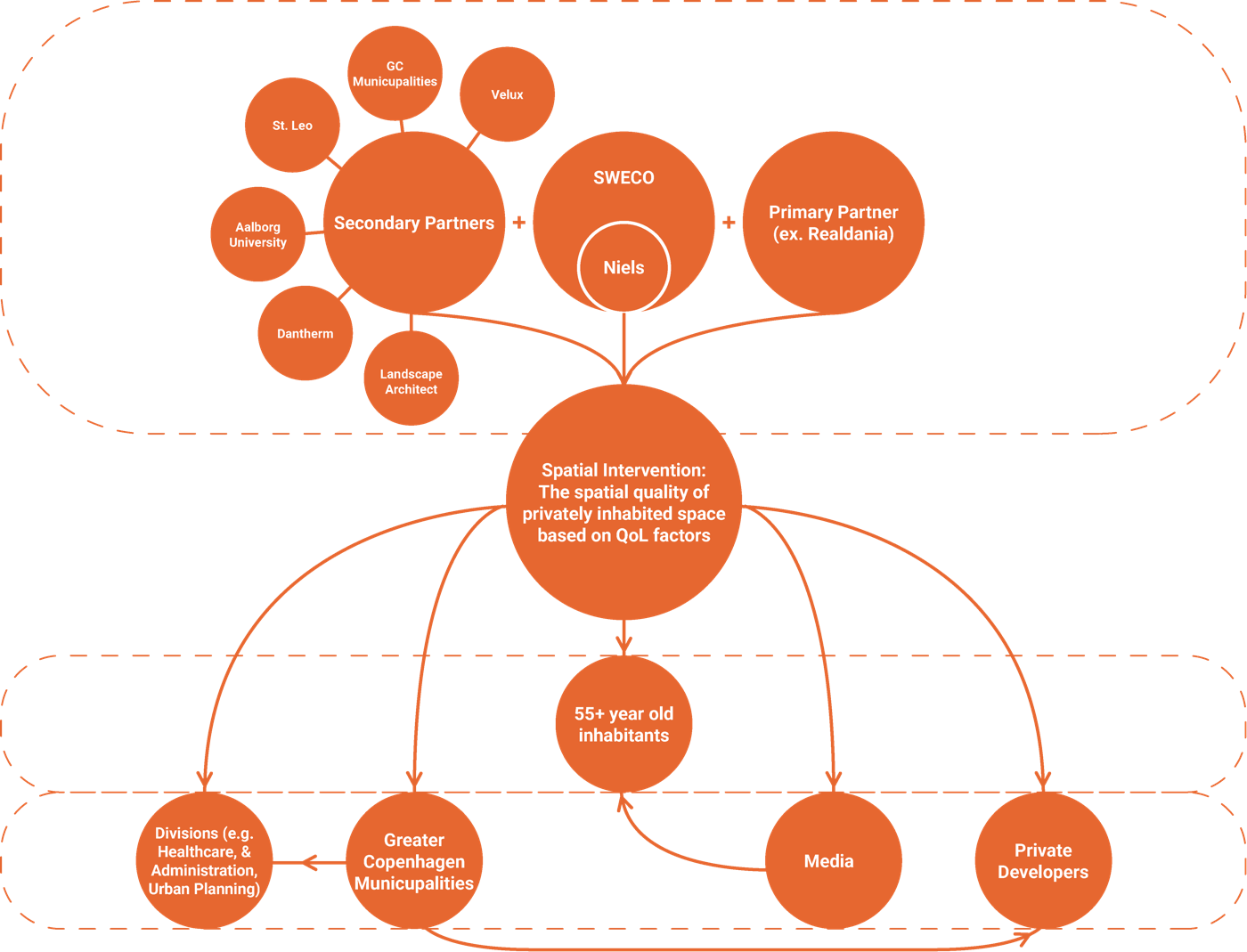
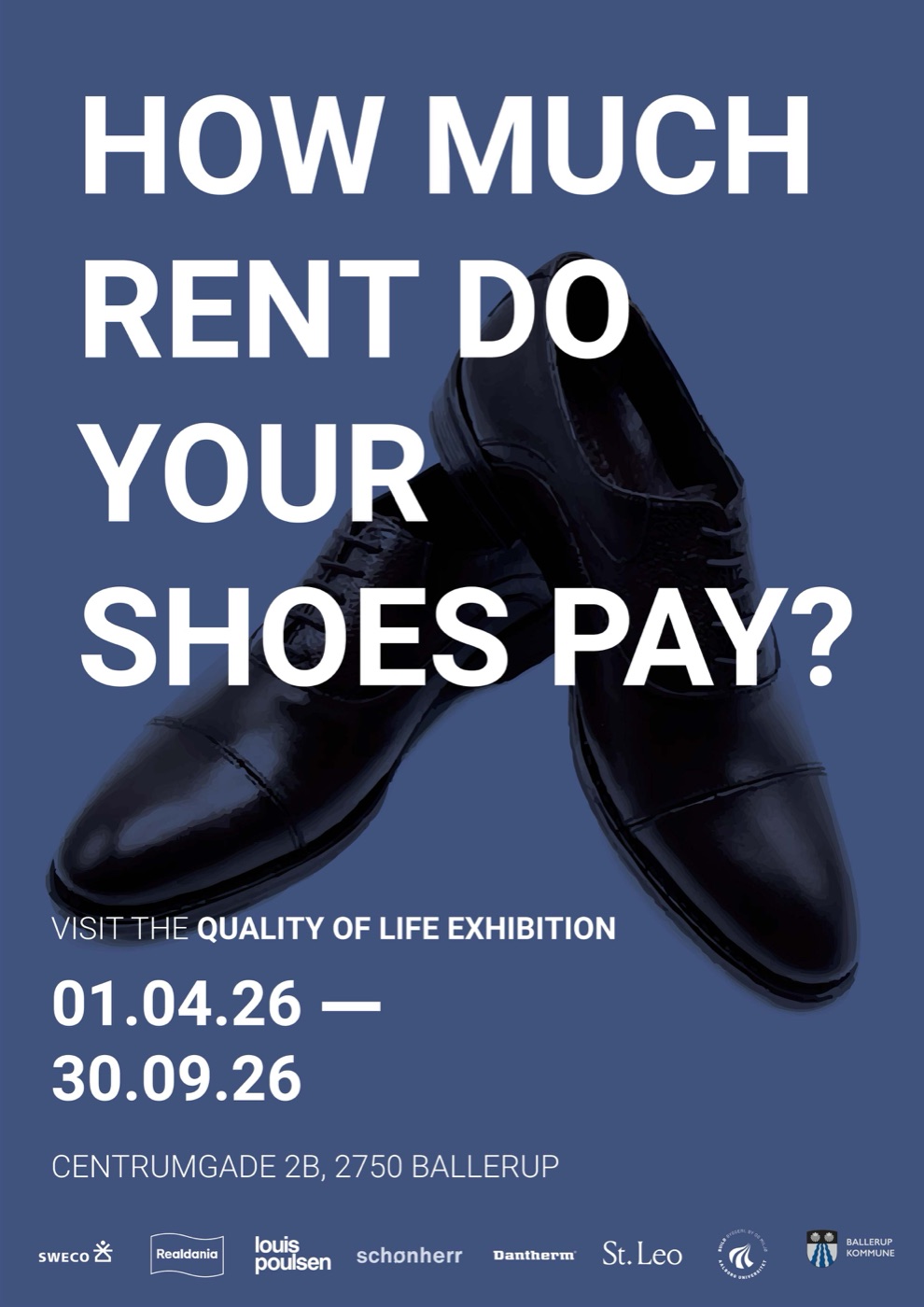
Why don't they move?
A strategic design inquiry into the conditions that shape movement, behaviour and organisational change.
Action
Thinking becomes useful when it changes what happens next.
A project develops as new information appears. Research can change the direction, testing can challenge an assumption and a constraint can reveal another opportunity.
Strategic Design is not a front-end exercise or a fixed sequence. Research, framing, design, testing and execution continually inform one another as the project develops.
Entrepreneurial thinking operates in parallel. It asks where value can be created, for whom, under which conditions and how an opportunity can become real.
Together, they keep desirability, feasibility, viability and adaptability in conversation rather than treating them as separate checks.
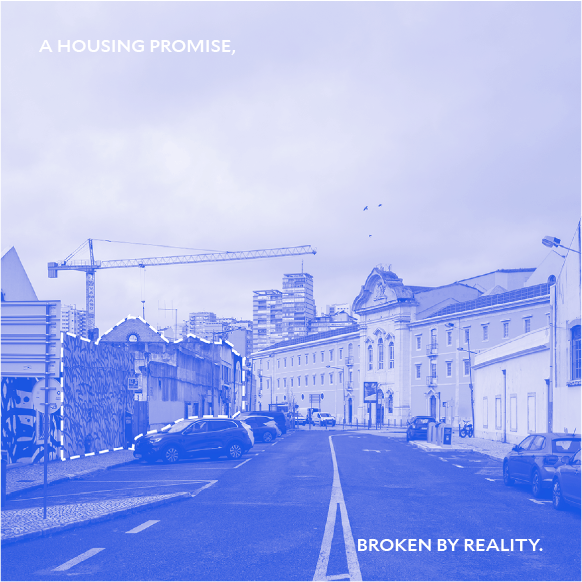
Overdue
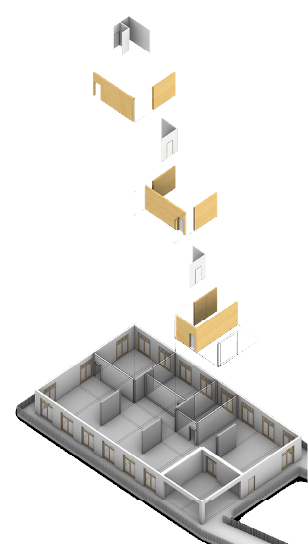
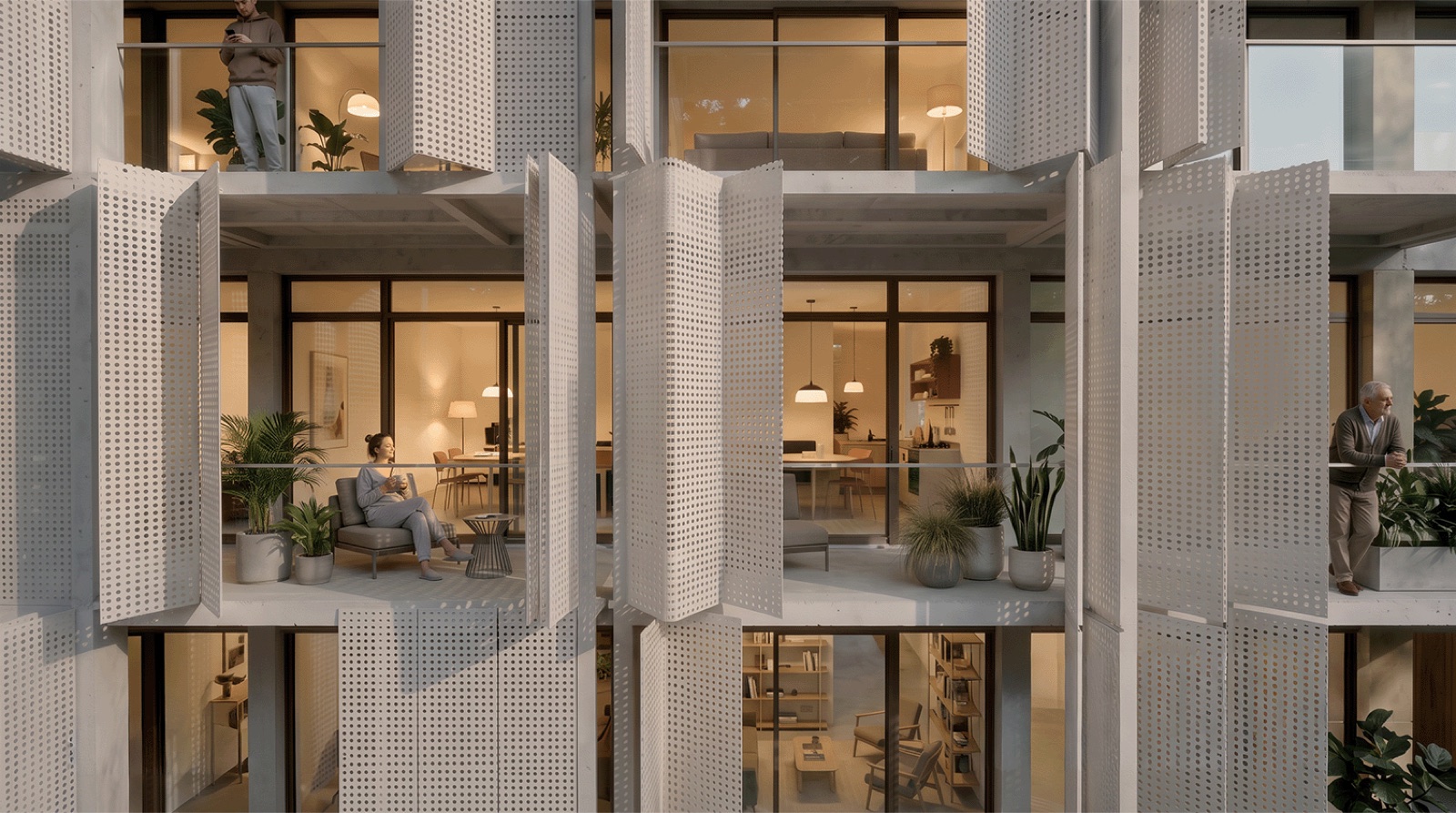
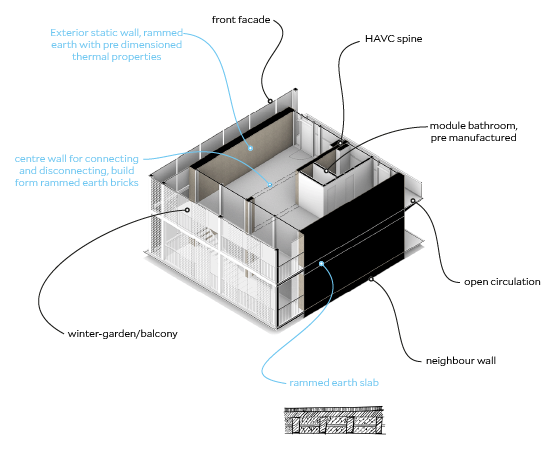
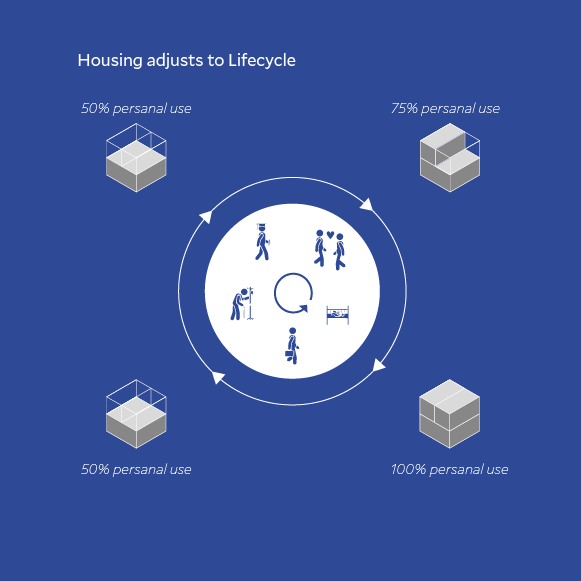
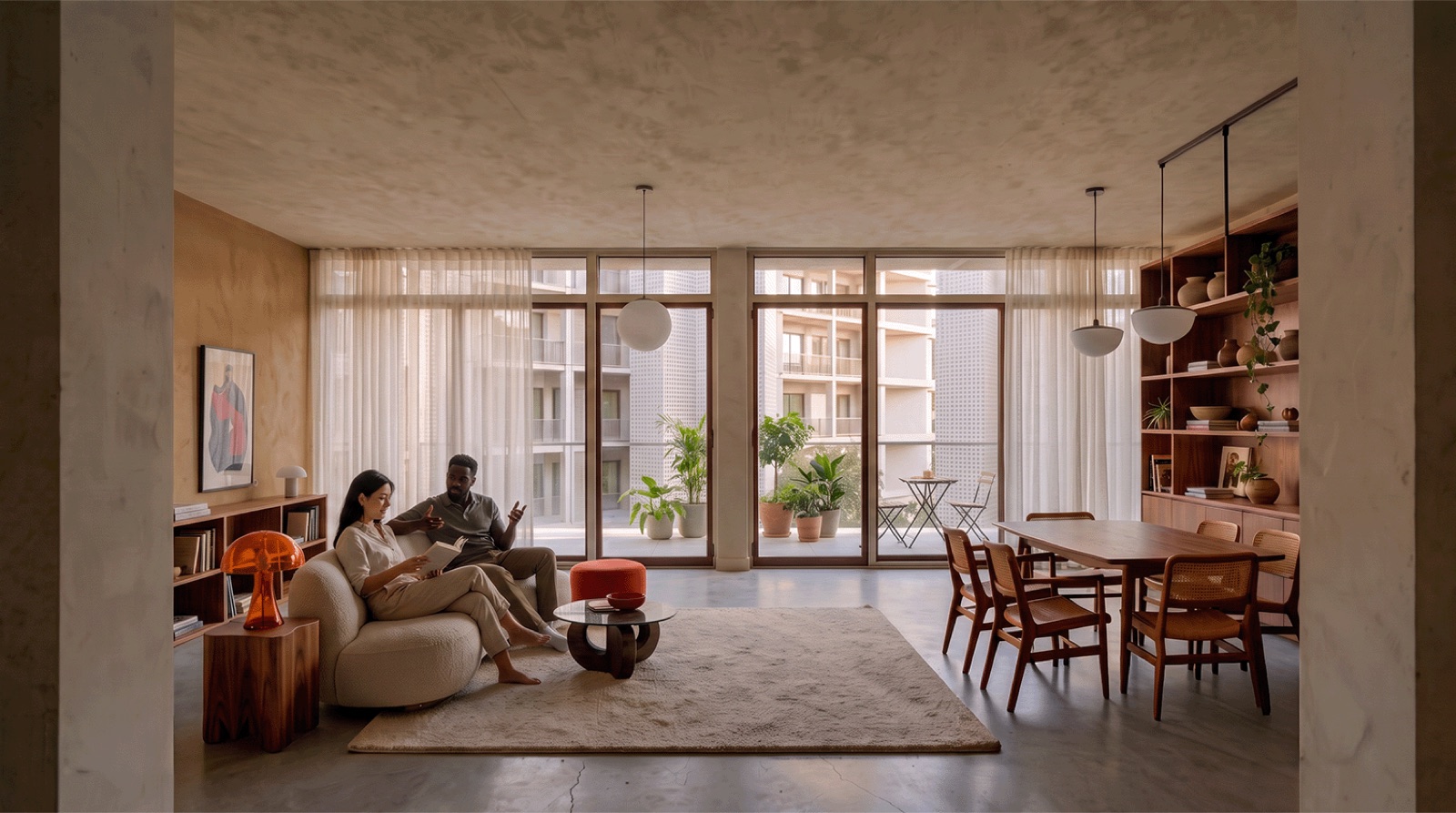
A robust housing system that adapts to changing household needs over time.
By combining modular units with simple construction methods, it supports long-term living.
Framed from the perspective of both architect and developer, the project tests whether such housing can be realised under real economic and regulatory conditions.
Position
Architecture provides the foundation. Strategic Design broadens the perspective. Entrepreneurship connects ideas with the conditions required to realise them.
Together, they make it possible to move between wider developments and concrete project decisions, between strategic direction and tangible outcomes.
Connecting what matters today to shape what becomes possible tomorrow.
Design conditions for better decisions.